
| Category | Details |
|---|---|
| Topic | The Quiet Boycott No One Saw Coming at Hollywood’s Biggest Night |
| Main Event | 98th Academy Awards |
| Date | March 15, 2026 |
| Venue | Dolby Theatre at Ovation Hollywood, Los Angeles |
| Core Issue | A largely unspoken boycott of Israeli film institutions by parts of the film community amid the Gaza war debate |
| Public Backdrop | Protests, symbolic pins, selective appearances, and competing open letters inside Hollywood |
| People Often Linked to the Debate | Javier Bardem, Mark Ruffalo, Joaquin Phoenix, Liev Schreiber, Sharon Osbourne |
| Why It Drew Attention | Because the tension was visible even when many people chose not to say much at all |
| Authentic References | Academy Awards Official 2026 Ceremony Page, LAist report via NPR on the boycott pledge, AP coverage of the 2026 Oscars atmosphere |
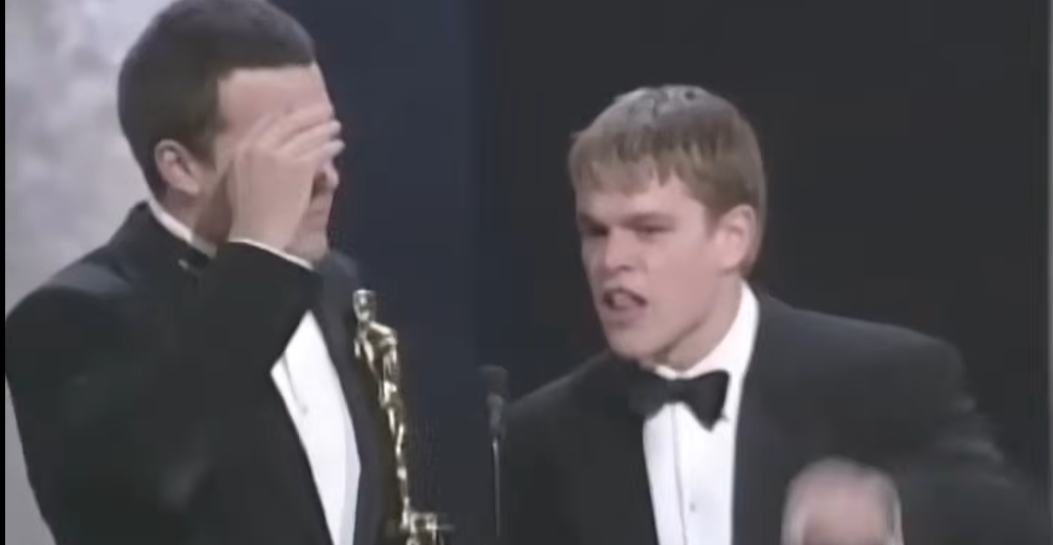
On the surface, Hollywood’s biggest night still knew exactly how to perform itself. The Dolby Theatre glowed the way it always does, with polished black cars inching forward, stylists smoothing fabric at the curb, and camera flashes breaking across faces that have long ago learned how to look effortless on command. The 98th Academy Awards took place on March 15, 2026, exactly where they were supposed to, with the usual machinery of prestige humming in the background. But there was another mood in the room, something flatter and more restrained, and it did not feel accidental.
That mood had been building for months. In September 2025, more than 2,000 Hollywood figures signed a pledge to avoid working with Israeli film institutions they said were implicated in abuses against Palestinians, with the campaign framed by organizers as a boycott of institutions rather than individuals. The distinction mattered, at least on paper. In practice, it threw Hollywood into one of those arguments that sounds moral, strategic, emotional and personal all at once. There’s a sense that many people in the business were no longer arguing just about policy; they were arguing about what public participation itself now means.
The language around it stayed oddly muted. That was the striking part. Hollywood usually prefers visible gestures, the kind that can be photographed, clipped, posted, and turned into a caption before midnight. This boycott moved differently. It spread through pledges, refusals, unanswered invitations, hesitations, selective appearances. The effect was not explosive. It was atmospheric. Watching it unfold, it felt less like a rally and more like a cooling system quietly shutting down somewhere behind the wall. People were still present, still dressed, still applauding. Yet some of the old enthusiasm seemed to have drained out of the ritual.
Part of that feeling came from the split inside the industry. By late September 2025, more than 1,200 entertainment figures had signed a counter-letter condemning the boycott as discriminatory, with names such as Liev Schreiber, Mayim Bialik and Sharon Osbourne attached to the response. It is still unclear whether either side truly changed the other’s mind. More likely, the dueling letters hardened a divide that had already formed in private conversations, agency offices, festival meetings and studio hallways. Hollywood likes consensus when cameras are around. This time, it had conflict instead, and no elegant way to hide it.
The streets outside had foreshadowed all of this. Ahead of the 2025 Oscars, pro-Palestine protesters slowed traffic near Hollywood Boulevard and Highland Avenue, the route leading toward the ceremony, turning arrival itself into a small drama. That detail lingers because it changed the physical texture of awards season. Limousines were no longer moving through a sealed fantasy. They were passing through protest, police presence and moral accusation before the red carpet even began. Hollywood has always tried to keep politics either on stage or far away from the doors. Lately, it has been getting both at once.
By the time the 2026 Oscars aired, the ceremony looked glossy but sounded more nervous. Conan O’Brien hosted, the awards were handed out, and the Academy kept the evening moving with all the familiar pacing tricks. Yet the wider atmosphere was described even by mainstream coverage as anxious, shaped by war, political fracture and the industry’s own uncertainty about its relevance. That may be why the quiet boycott mattered. Not because it shut the event down. It didn’t. Not because it overwhelmed every speech. It didn’t do that either. Its real force was subtler, seeping into the event’s tone and making normalcy feel just a little staged.
Javier Bardem became one of the few people willing to puncture that surface directly. Coverage from Oscar night described him voicing support for peace and for Palestine while appearing with anti-war symbolism, turning a brief presentational moment into something much larger than a line reading. One person speaking out does not define a movement, obviously. Still, in an environment where many were choosing coded silence, even a small act of plain speech could feel unusually sharp. It’s hard not to notice how rare plain speech has become in rooms this expensive.
What made the whole thing memorable was not outrage in the usual celebrity sense. It was restraint. A withholding. The sense that some artists had decided that attendance, collaboration and cheerful participation were no longer neutral acts. Hollywood has seen boycotts before, scandals before, blacklists before, wars before. But this one carried a distinctly modern quality, shaped by image management, social pressure and the strange power of strategic absence. People did not need to shout for the room to change temperature.
And that, maybe, is why the boycott felt more unsettling than a louder protest would have. Spectacle is easy for Hollywood to absorb. It knows how to frame it, monetize it, joke about it by the next morning. Silence is harder. Silence hangs there. Silence makes even a flawless telecast feel slightly unsteady. As the ceremony moved forward beneath the lights, there was a feeling that the old bargain of awards season—show up, smile, celebrate, move on—was no longer holding quite the way it once did. The stage was still there. The glamour too. But the certainty had gone missing.