
There’s a moment, usually right after the first chorus, when the room changes. It doesn’t matter if it’s a large auditorium filled with lights or a quiet church with old wooden benches. When “Hosanna” begins to settle into its rhythm, something shifts. Not dramatically. Just enough to notice. Hillsong UNITED seems to understand that balance better than most.
The opening imagery is striking—clouds, fire, the earth shaking. It reads almost like something pulled from an ancient text rather than a modern song. But what’s interesting is how calmly it’s delivered. There’s no urgency in the tone, no rush to impress. It’s possible that the restraint is what makes it feel believable.
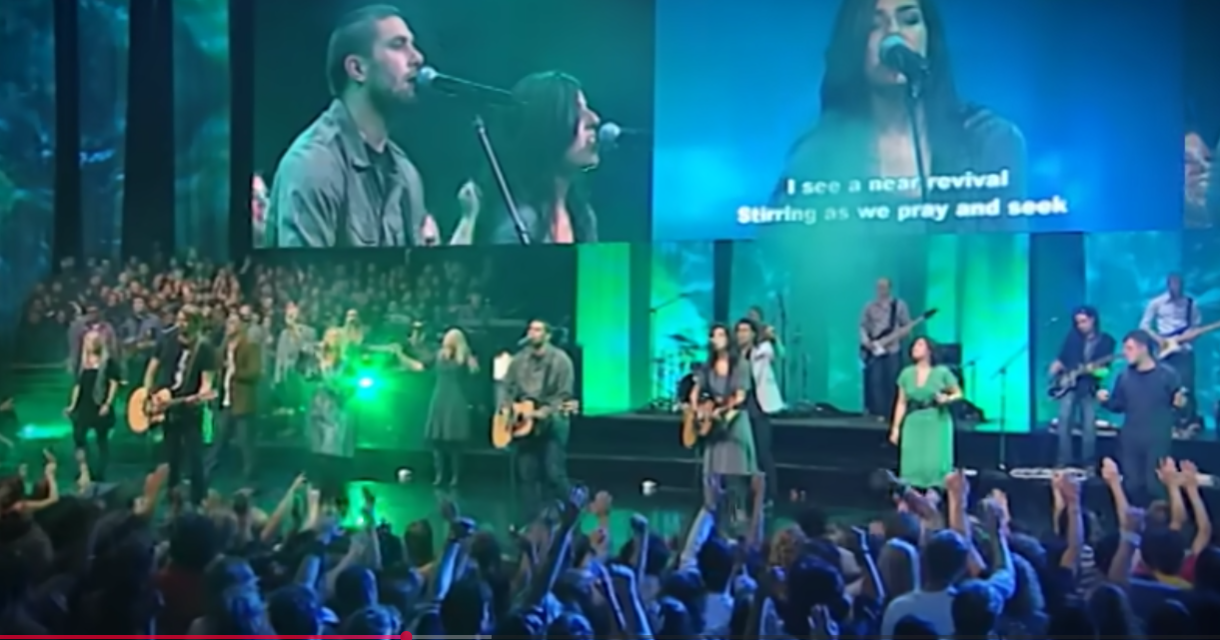
Looking at the lyrics from the reference file , repetition plays a central role. “Hosanna in the highest” returns again and again, almost like a heartbeat. In many songs, repetition risks becoming predictable. Here, it feels grounding. Familiar. Like something meant to be repeated until it sinks deeper than just words.
The shift into the second half of the song feels almost intimate. After describing something vast and overwhelming, the lyrics narrow down to personal reflection. “Heal my heart and make it clean.” It’s a simple request, but it carries weight. There’s a sense that the song is moving from observation to participation.
| Category | Details |
|---|---|
| Song Title | Hosanna |
| Artist | Hillsong UNITED |
| Songwriter | Brooke Ligertwood |
| Release Year | 2007 |
| Album | The I Heart Revolution |
| Genre | Contemporary Worship |
| Theme | Surrender, revival, spiritual awakening |
| Reference 1 | Genius Lyrics |
| Reference 2 | Hillsong Official |
During live performances, the physical space tells its own story. People closing their eyes, some quietly mouthing the words, others standing still. Not everyone reacts the same way, but there’s a shared awareness. Watching this unfold, there’s a feeling that the song doesn’t demand attention—it earns it gradually.
The line about a generation rising up feels ambitious, maybe even slightly idealistic. And yet, over time, it has taken on different meanings depending on who is listening. For some, it’s about faith becoming active. For others, it’s about finding direction in uncertain times. It’s still unclear whether the lyric reflects reality or inspires it.
There’s also something worth noting about the broader reach of the song. Worship music, especially from groups like Hillsong, has slowly expanded beyond traditional spaces. Streaming platforms have made it more accessible, blending it into everyday listening habits. Songs like this are no longer confined to Sunday mornings.
The bridge stands out as one of the more vulnerable parts. “Break my heart for what breaks Yours.” It’s not an easy sentiment. It suggests a willingness to feel discomfort, to step into empathy in a deeper way. That kind of openness isn’t always comfortable, especially in a culture that often leans toward distraction.
The structure of the song avoids a typical ending. Instead of building toward a final resolution, it circles back, repeating the chorus. Over and over. It lingers. Even after the music fades, the phrase seems to stay in the room a little longer than expected.
It’s hard not to notice how the song has aged. Not in a dated way, but in a way that adds layers. What might have once felt like a simple worship anthem now feels more reflective, almost contemplative. People who first heard it years ago are hearing it differently now, bringing new experiences into the same lines.
There’s a quiet confidence in how “Hosanna” exists. It doesn’t try to reinvent itself or chase trends. It remains steady, allowing listeners to come back to it at different points in their lives. And each time, it seems to offer something slightly different—something that wasn’t quite there before, or maybe just wasn’t noticed.