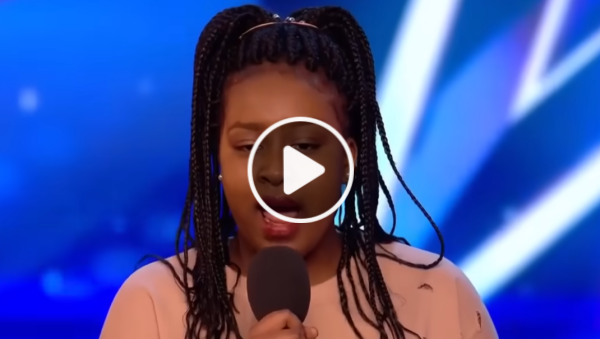
There’s a quiet kind of honesty running through “Younger You,” something that doesn’t try too hard to impress but still manages to linger longer than expected. Miley Cyrus seems to step away from spectacle here, almost pulling the listener into a smaller, more personal room. The song doesn’t feel like it’s performed on a stage—it feels like it’s whispered across time.
The opening line lands softly, but not lightly. A younger version of yourself checking in. It sounds simple, maybe even a little predictable at first. But sitting with it for a moment, there’s something uncomfortable about the idea. Most people don’t actually want that conversation. It’s possible that’s exactly why it works.
| Category | Details |
|---|---|
| Artist | Miley Cyrus |
| Song Title | Younger You |
| Release Year | 2026 |
| Project | Hannah Montana 20th Anniversary Special |
| Genre | Pop / Reflective Ballad |
| Songwriters | Miley Cyrus, Jon Bellion, Michael Pollack & others |
| Core Theme | Self-reflection, nostalgia, identity |
| Reference 1 | Genius Lyrics |
| Reference 2 | AZLyrics |
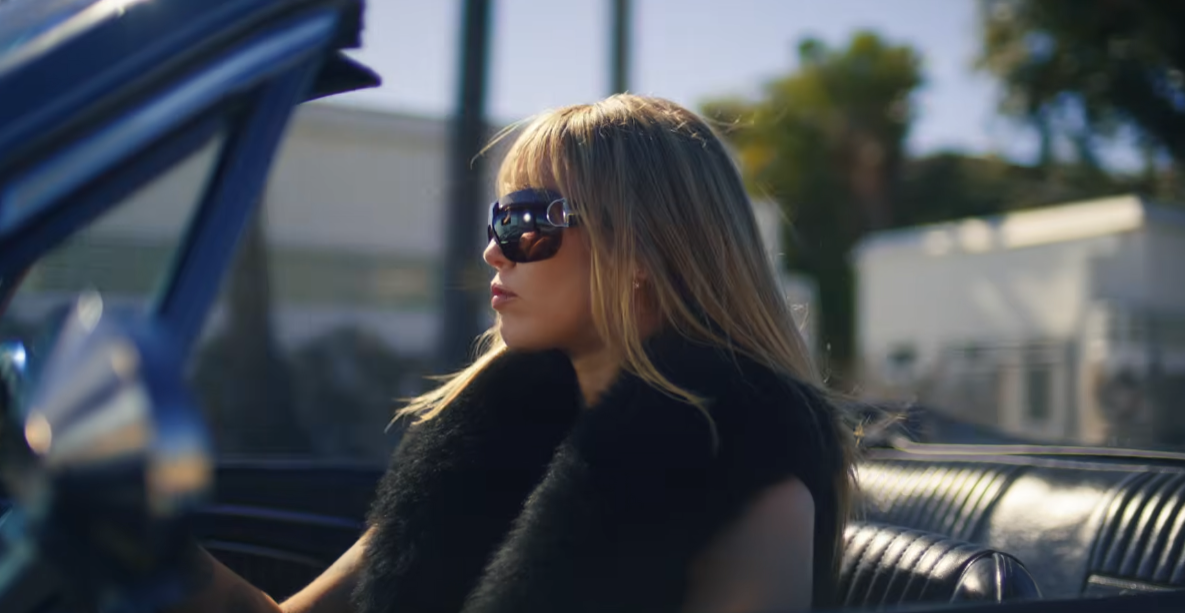
Looking through the lyrics captured in the reference file , certain phrases stand out in a way that feels almost accidental. Asking whether you still pray before bed, or if you’ve replaced that with worry—it’s such a small, ordinary detail. Yet it reveals a shift that happens quietly over time. One that no one really announces.
The chorus circles around the idea of losing touch, not dramatically, but gradually. There’s no big fallout here, no dramatic break. Just distance. Life gets filled with jobs, responsibilities, expectations. And somewhere in between, the version of yourself that once felt certain fades into something harder to recognize.
There’s a moment in the second verse that feels especially grounded. The reminder to call your parents. It’s almost too real. Not poetic, not symbolic—just practical. And maybe that’s why it hits. These are the things people tend to delay, assuming there will always be time later. It’s still unclear whether the song is meant as a warning or simply a reflection.
What’s interesting is how the song ties into Miley’s past, particularly her years tied to Hannah Montana. That era was bright, almost exaggerated in its optimism. Watching this unfold now, there’s a feeling that “Younger You” is less about revisiting that time and more about understanding what came after. The distance between those two versions feels… noticeable.
The production choices reinforce that mood. Nothing too polished, nothing overwhelming. The instrumentation sits quietly behind the vocals, almost stepping back. It allows the words to breathe, even the pauses between them. Those pauses matter. They create space for the listener to think, maybe more than they expected to.
There’s also a broader pattern emerging in pop music lately—artists looking inward, revisiting earlier versions of themselves. Taylor Swift has done it. Olivia Rodrigo has explored it too. But Miley’s approach feels less curated, less polished. Almost like she’s still figuring things out while singing.
One line near the end quietly shifts the tone: asking whether you love who you’ve become. It doesn’t feel like a rhetorical question. It feels unresolved. And maybe that’s intentional. Growth isn’t always something people celebrate openly. Sometimes it’s complicated, uneven, even disappointing in ways that are hard to admit.
It’s hard not to notice how the song avoids giving clear answers. There’s no neat resolution, no emotional payoff that ties everything together. Instead, it leaves a kind of lingering tension. A question without closure. And maybe that’s closer to real life than most songs are willing to admit.
By the time the final lines settle, there’s a subtle shift in perspective. Not dramatic, not overwhelming. Just a quiet awareness. The idea that the person you used to be hasn’t disappeared completely—they’re still there, watching, maybe even waiting. And there’s a sense that ignoring that voice might be easier… but not necessarily better.